Brief Historical Origin
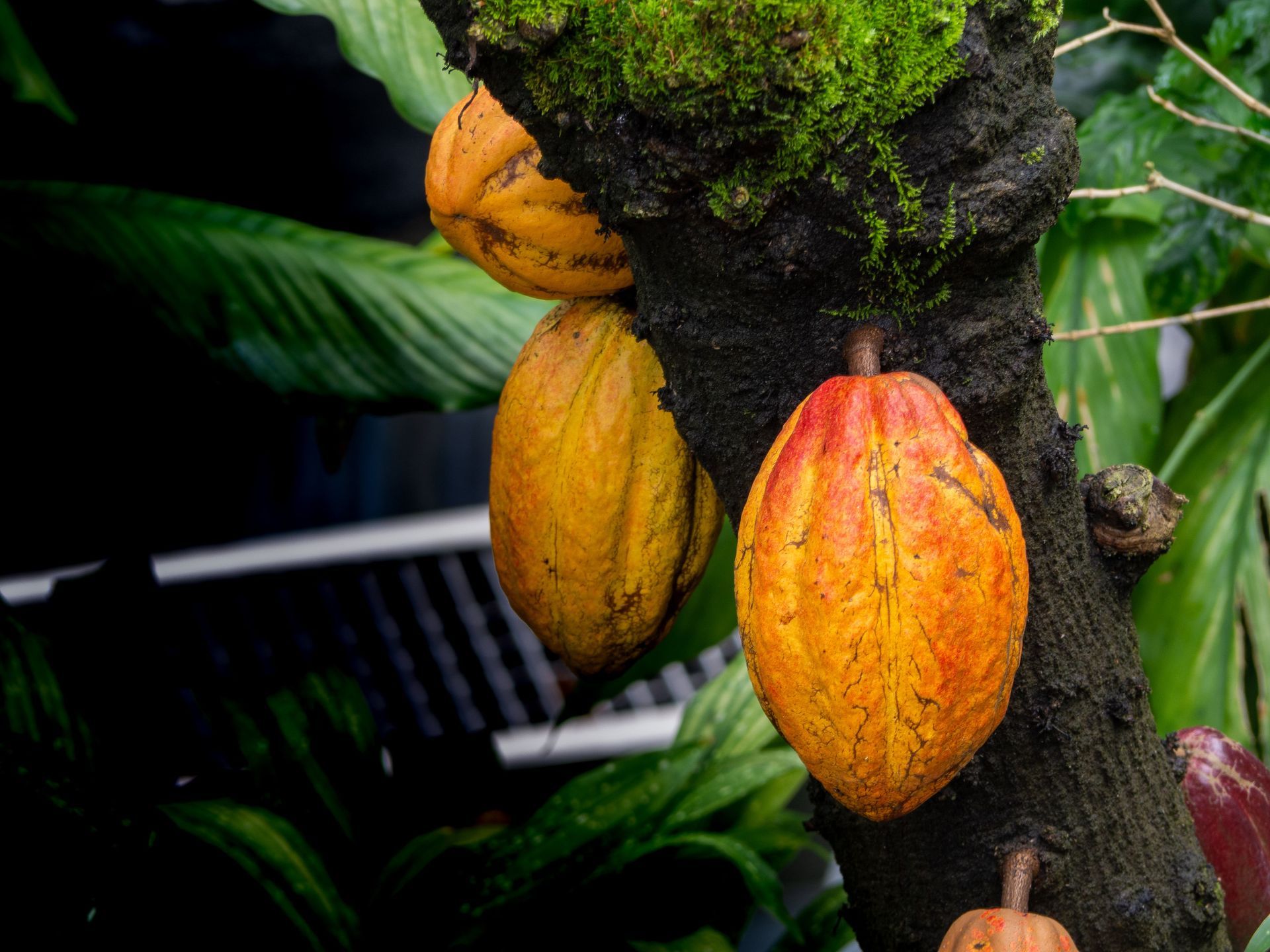
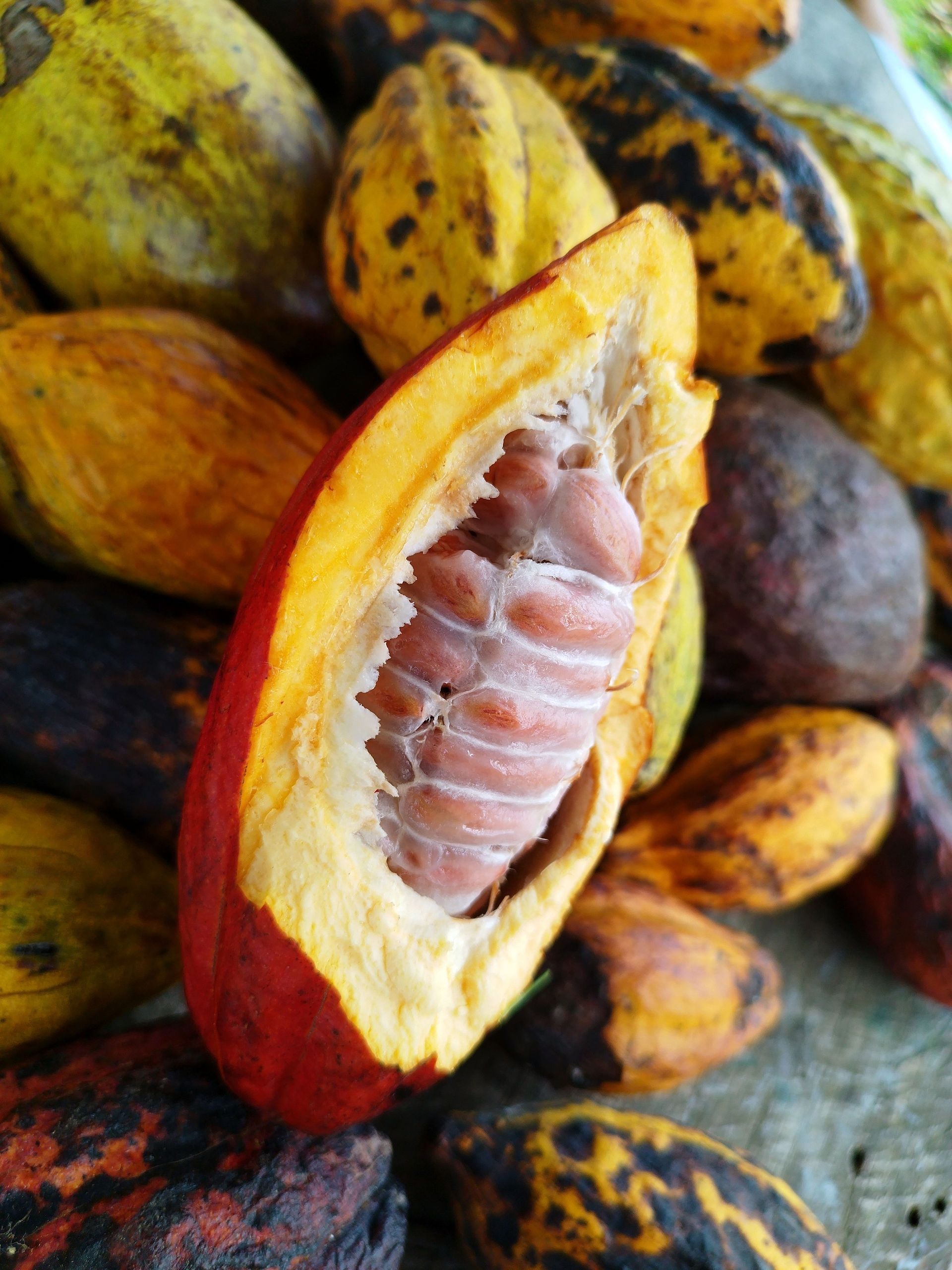
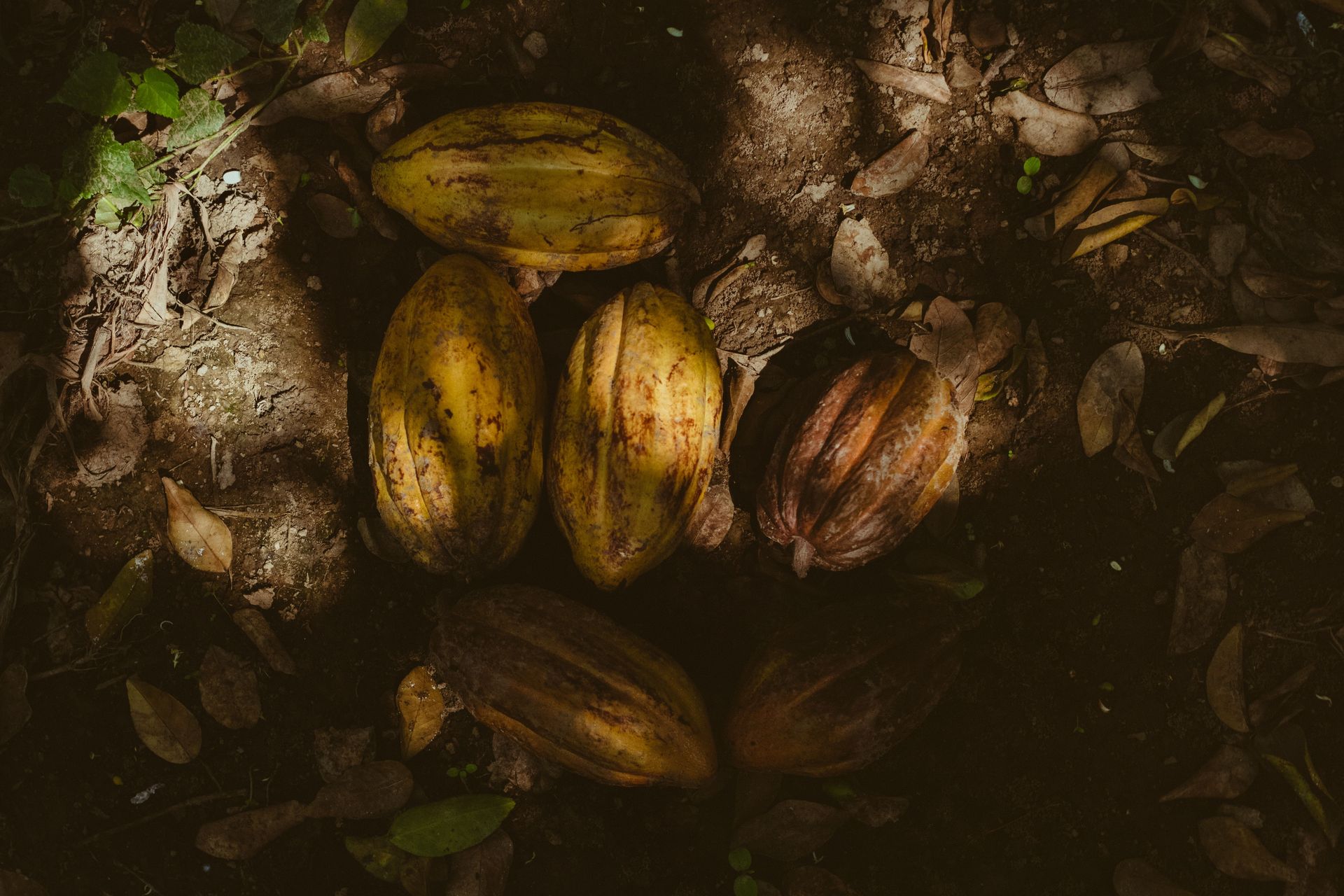
Cacao tree is native to the upper Amazon basin in South America, comprising parts of modern-day Peru, Colombia, and Ecuador.
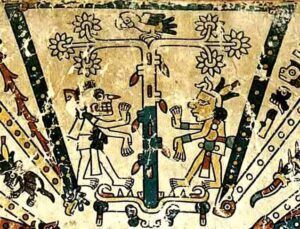
Archaeological findings reveal that cacao was cultivated and used in South America as far back as 5,300 years ago, with evidence pointing to early domestication in the southern Amazon region of Ecuador.Over time, cacao spread beyond its Amazonian origins through human trade and migration, eventually reaching Central America. There, it became culturally and economically significant among peoples like the Pipil, the Olmecs, the Mayas, the Mexicas (Aztecs) and many more. The Olmecs gave the tree the name Kakawa. Clay cacao drinking vessels are found dating to 3000 years ago!
Christopher Columbus was thought to have been the first to bring cacao seeds (beans) back to Europe during 1502, but he did not really know how to use them and thought they were just nuts similar to almonds.
And then the infamous Spanish conquistador of the New World, Hernan Cortes (yes, you can sense the bias in me) - came upon these new lands, drank frothy cacao drinks and exploited the natives, burned and eventually destroyed the mesoamerican civilisation in the 16th century. He left with exotic animals, gold, women slaves and cacao. Over the years in Europe, the original cacao recipe turned into a sweet milk chocolate which then became highly appreciated and loved all over the world.